
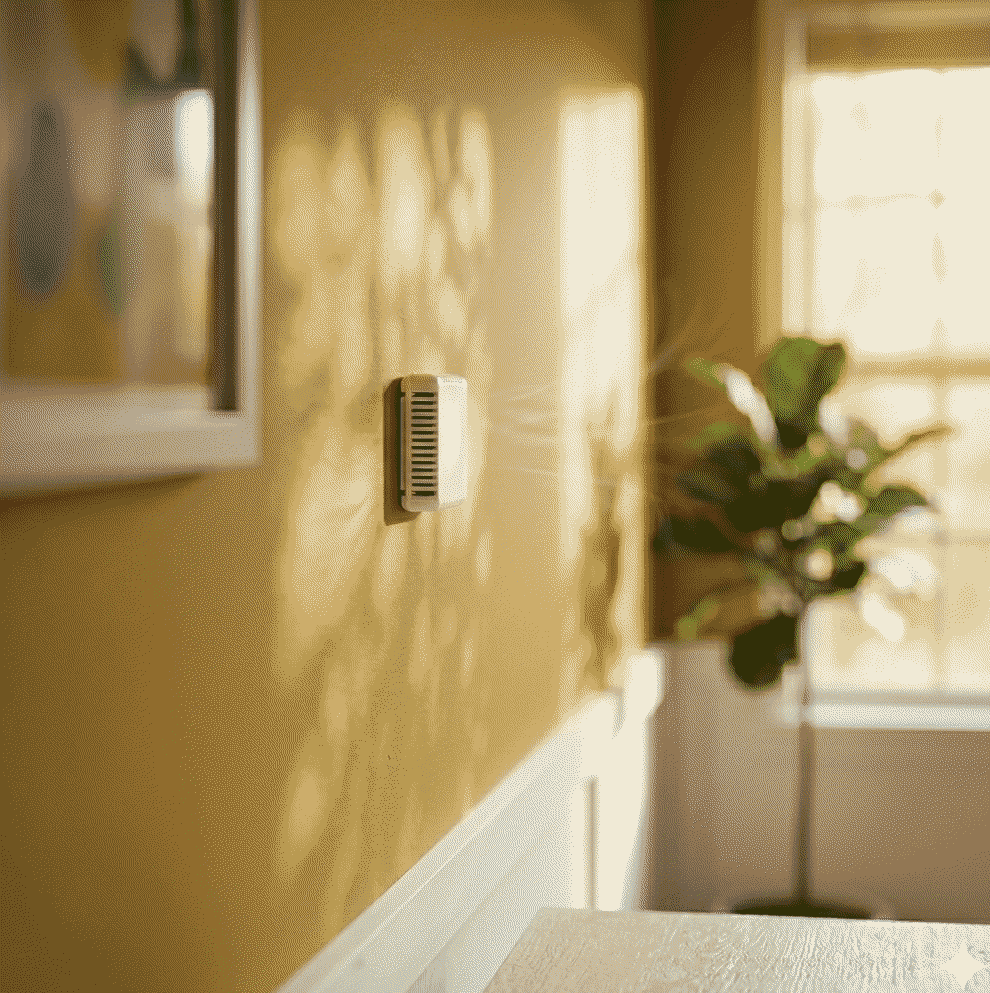
The Nighttime Trade-Off
Modern airtight homes are great for efficiency, terrible for breathing. Once the door closes and the windows are sealed, you and whoever else sleeps in the room have only one source of fresh air: the air that was already there when the lights went out.
Every option most people have is a compromise:
- Close the window. You block noise and keep the room dark, but two adults exhale about 1,000 liters of CO2 overnight. Levels climb past 1,000 ppm, and you wake up groggy with a stuffy nose and a headache.
- Crack the window. Fresh air comes in, but so does the 6 a.m. garbage truck, the neighbor's dog, and the first hint of sunrise. You're awake hours before you want to be—again.
- Run the HVAC fan on a timer. It ventilates whether you're asleep, away, or already have pristine air. Your energy bill pays for waste.
What 8 Hours of Breathing Does to a Sealed Room
Outdoor air sits around 420 ppm CO2. Indoors, each person adds roughly 200 ppm per hour while sleeping. In a sealed bedroom with two people, the math is brutal:
- 10 p.m. — 450 ppm (fresh air)
- 1 a.m. — 750 ppm (noticeably stale)
- 5 a.m. — 1,200+ ppm (grogginess threshold)
Studies show sleep quality degrades measurably once concentrations pass 1,000 ppm. You're literally running a low-grade oxygen debt for the last third of your night.
An Intelligent Vent That Responds to the Air Itself
Sanobreeze measures the CO2 level in your bedroom and calls for fresh air only when you actually need it. No timers. No manual vents to crack. No noise at dawn.
Because it reacts to real occupancy and air quality, your energy bill stays low and your air stays fresh. The result:
- Wake up alert instead of foggy
- No windows open means no noise or light intrusion
- The fan runs only when CO2 is elevated
- Set-and-forget operation
How It Works in Your Bedroom
A hands-off cycle that keeps your air fresh and your sleep sacred.
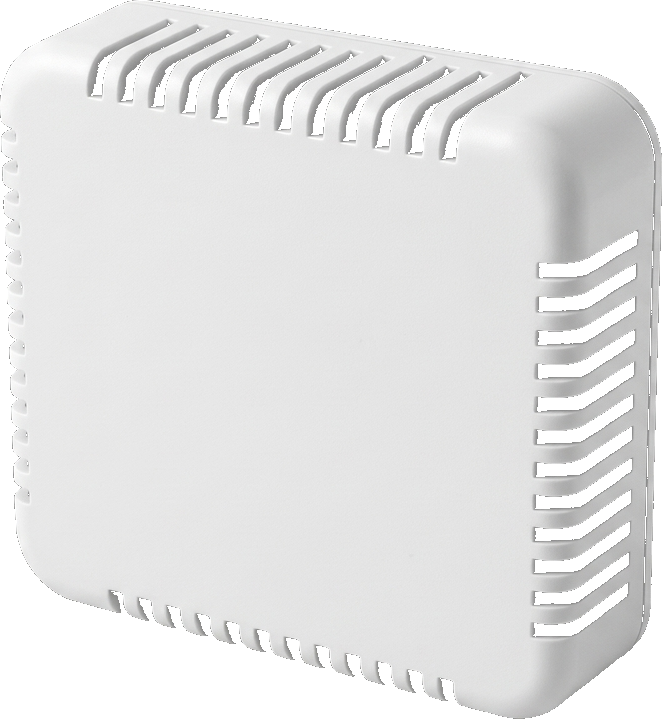
Vent Controller
Sense
The Sanobreeze continuously monitors the CO2 concentration in your bedroom with ±70 ppm accuracy.
Decide
When readings pass your custom threshold (default 800 ppm), it decides to bring in fresh air before you feel stuffy.
Ventilate
It activates your vent or furnace fan to flush the room with fresh outside air, then stops once CO2 drops back down.
Flexible Setup for Any Bedroom
Sanobreeze can use what you already have, or work with a small dedicated vent:
Furnace Fan Mode
Wire Sanobreeze to your existing HVAC system's G (fan) wire. It turns on the central fan only when CO2 rises, pulling filtered fresh air through your ducts. Best for whole-house air turnover from the bedroom sensor.
Step-by-step guide for wiring Sanobreeze to your furnace fan.
Dedicated Vent Mode
Install a small through-wall vent with a motorized damper. Sanobreeze's dry contacts open the vent and run a quiet inline booster fan. Perfect when you want room-level control without affecting the rest of the house.
Both modes use the same Sanobreeze sensor. Switch between them in the configuration menu—or run one sensor in the bedroom and another in the living room.